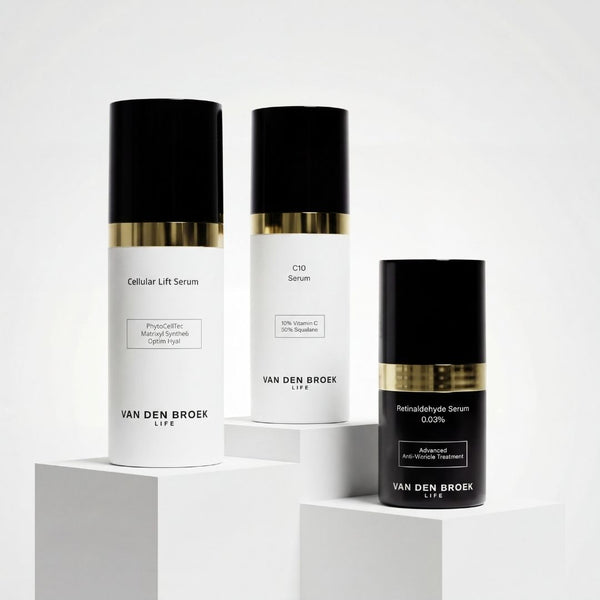
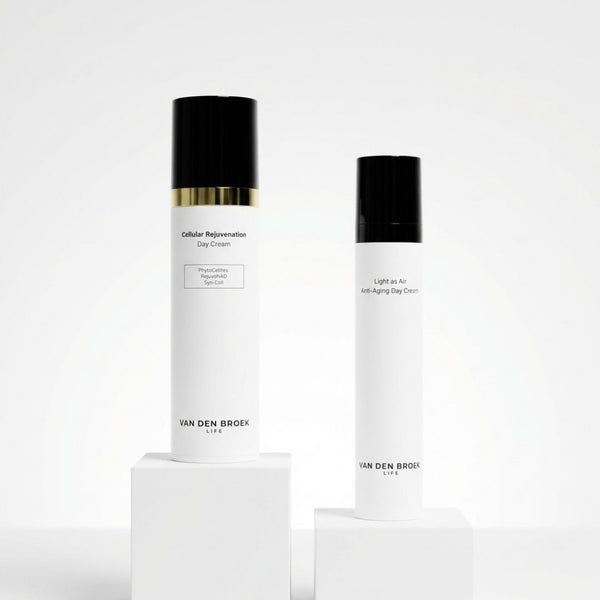
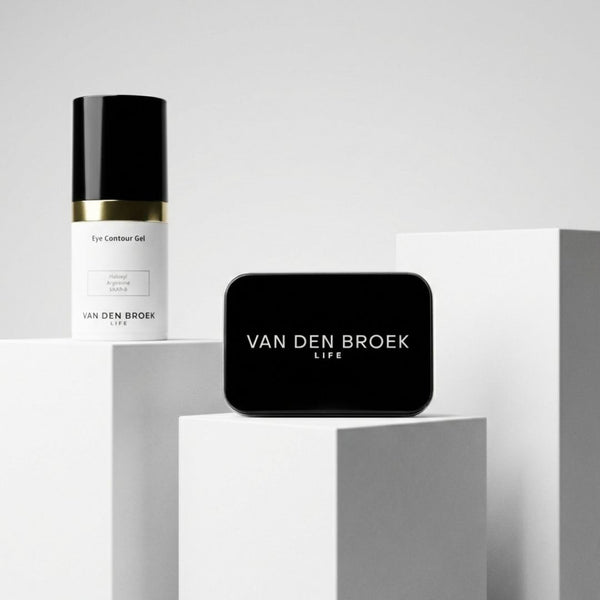
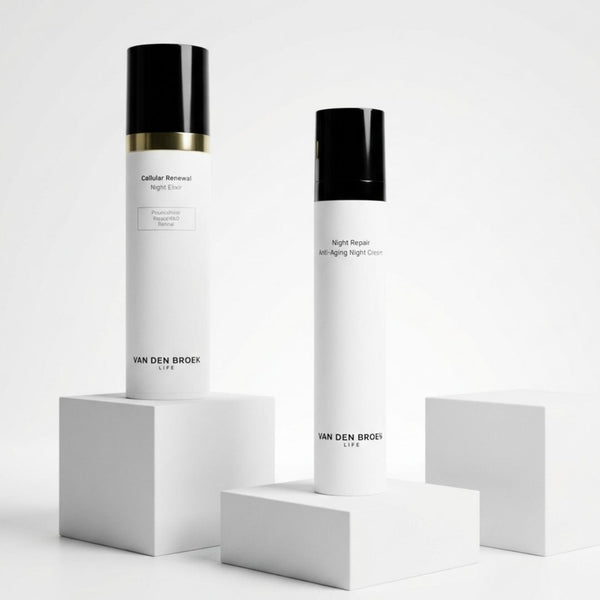
Argireline® is an innovative ingredient developed by Lipotec — the first cosmetic peptide created to visibly reduce expression lines.
It helps relax facial tension caused by repeated micro-movements, such as smiling or frowning. By gently easing these muscle contractions, it smooths dynamic wrinkles and softens the appearance of lines, while keeping your natural facial expressions completely intact.
Laboratory tests showed that Argireline® helps reduce the signals that trigger muscle contraction, which supports a smoother, more relaxed skin surface.
In clinical studies with 22 women aged 35–60, a cream containing 2% Argireline® used twice daily for one week reduced wrinkle volume by 20.6% and length by 15.9%.
After four weeks, skin roughness decreased by 20.4%, confirming a visible smoothing effect.
In another study, a 10% Argireline® formula reduced wrinkles around the eyes by up to 27% after 30 days of consistent use.
Lipotec S.A.U. Argireline® Peptide: The First Peptide for Expression Wrinkles. Technical Data Sheet, 2021.
Lipotec S.A.U. Argireline®: A New Anti-Wrinkle Peptide. Technical Monograph, 2003.
Blanes-Mira C. et al. “A synthetic hexapeptide (Argireline) with anti-wrinkle activity.” Int J Cosmet Sci. 2002; 24(5): 303–310.
Haloxyl™ is a patented peptide complex developed by Sederma to visibly reduce dark circles and restore a brighter, fresher look to the eye area. It combines two collagen-supporting peptides with natural bio-actives that help fade discoloration and improve firmness.
This advanced complex targets the main causes of dark circles — the buildup of pigments and weakened skin around the eyes.
It helps:
- Brighten the under-eye area by reducing the appearance of red and blue tones linked to blood pigments.
- Strengthen and firm delicate skin, helping it look smoother and more resilient.
- Soothe and refresh tired eyes for a well-rested appearance.
In a 56-day clinical study, a cream containing 2% Haloxyl™ significantly reduced under-eye discoloration by about 19%, with visible improvement in over 70% of participants.
After eight weeks, the eye area appeared brighter, more even-toned, and visibly rejuvenated.
Sederma SAS. Haloxyl™ Product Information File and Clinical Data, 2019.
Sederma Inc. Haloxyl Clinical Study: Anti-Dark Circle Efficacy in 22 Volunteers, 2019.
Croda International Plc. Haloxyl™ Technical Data and Functional Overview, 2023.
Matrixyl® Morphomics™ is an advanced anti-aging peptide developed to target deep vertical wrinkles such as marionette lines, frown lines, and nasolabial folds. It supports communication between fibroblast cells and the surrounding skin matrix — helping restore structure, resilience, and a naturally more positive facial expression.
As we age, the communication between skin cells and the dermal matrix weakens, leading to visible loss of firmness and deeper folds. Matrixyl® Morphomics™ helps improve this cell-to-matrix connection, encouraging the skin to regain its structural harmony and smoother appearance.
In clinical studies (6 weeks, women aged 58–64), use of a 2 Matrixyl® Morphomics™ formula led to remarkable visible improvements:
Marionette lines: volume −22.7% (up to −99%), perimeter −10.6% (up to −92%), roughness −5.8% (up to −20%)
Frown lines: volume −9.5% (up to −65 ), perimeter −7.1% (up to −39%), roughness −5.8% (up to −20%)
Crow’s feet: volume −16.5% (up to −52%), depth −13.5% (up to −44%), deep-wrinkle surface −26.6% (up to −75%)
These results confirm Matrixyl® Morphomics™ as an advanced peptide that visibly reduces deep wrinkles and enhances overall skin smoothness, helping the face appear firmer, lifted, and more relaxed.
At the 25th edition of in-cosmetics, Sederma’s original Matrixyl peptide was honored with the “25 Years of Innovation Award”, recognizing it as the ingredient with the greatest long-term impact in personal care over a quarter century.
Sederma (SAS). Matrixyl® Morphomics™ Technical Data Sheet. Clinical Evaluation, 6 Weeks, 2% Active, Women Aged 58–64.
Matrixyl® synthe’6® is an advanced lipopeptide developed by Sederma (a Croda company). It is designed to rebuild the skin where it needs it most, acting as a “wrinkle filler” from within. The peptide mimics the action of matrikines — natural fragments in the skin that stimulate repair and renewal — and helps restore a smoother, more even skin surface.
Matrixyl® synthe’6® boosts the synthesis of six major components that keep the skin firm and resilient: collagen I, III, and IV, fibronectin, hyaluronic acid, and laminin-5. By stimulating these key building blocks of the dermal-epidermal junction, it helps smooth wrinkles, firm the skin, and visibly improve tone and elasticity.
In laboratory studies with a 2% concentration, Matrixyl® synthe’6® increased:
- Hyaluronic acid +174%
- Collagen I +105%
- Collagen III +104%
- Collagen IV +42%
- Fibronectin +59%
- Laminin-5 +75%
In a clinical study on 25 women aged 42–70 using a cream with 2% Matrixyl® synthe’6® twice daily for two months:
- Forehead wrinkles: volume decreased by 31% (up to 100 %)
- Crow’s feet: wrinkle surface reduced by 28.5% and average depth by 15%
- Lifting effect: +28% on forehead, +12.6% on crow’s feet
After eight weeks, wrinkles were visibly smoother and the skin appeared firmer and more even — as if lifted from within.
At the 25th edition of in-cosmetics, Sederma’s original Matrixyl peptide was honored with the “25 Years of Innovation Award”, recognizing it as the ingredient with the greatest long-term impact in personal care over a quarter century.
Sederma (Croda International Plc). Matrixyl® synthe’6®: A Powerful Peptide that Boosts Six Skin-Rebuilding Essentials. Technical Data Sheet and Claim Substantiation, 2015
Optim Hyal™ is an advanced biofermented ingredient developed by Sederma (Croda International Plc). It contains Glycokines™, natural sugar molecules that mimic the fragments of hyaluronic acid found in young, healthy skin. These molecules help stimulate the skin’s own production of hyaluronic acid, supporting optimal hydration, elasticity, and smoothness.
As we age, our skin’s natural hyaluronic acid levels decline, leading to dryness, loss of firmness, and visible wrinkles. Optim Hyal™ helps reactivate the skin’s renewal cycle by boosting hyaluronic acid synthesis in both the epidermis and dermis. It also promotes elastin production and helps skin maintain its natural moisture balance, leaving it plump, supple, and radiant.
In laboratory tests (in vitro), Optim Hyal™ increased:
- Hyaluronic acid synthesis by +40% in keratinocytes and +35% in fibroblasts
- Elastin synthesis by up to +552%
- CD44 receptor expression by +55%, improving hyaluronic acid anchoring and renewal
In a clinical study with 26 women (average age 38) using a cream with 3% Optim Hyal™ twice daily for one month:
- Wrinkle density: decreased by 46% (up to 96%)
- Wrinkle depth: reduced by 12.5% (up to 52%)
- Surface hydration: improved by 24%
- Deep hydration: improved by 12%
- Firmness and density: increased by 9–14%
After one month, participants reported smoother, more elastic, and deeply hydrated skin — visibly refreshed and revitalized.
Sederma (Croda International Plc). Optim Hyal™: Sustaining a Young and Optimal Hyaluronic Acid Renewal. Technical Dossier, 2014.
Croda Beauty. Optim Hyal™ Product Overview and Clinical Data, 2023.
Cosmetics & Toiletries. Sustaining Hyaluronic Acid Turnover with Glycokines™, 2021.
SpecialChem. Optim Hyal™ – Technical Data and Benefits, 2023.
PhytoCellTec™ Malus Domestica is a pioneering active ingredient developed by Mibelle Biochemistry in Switzerland. It uses stem cells from the rare Uttwiler Spätlauber apple — a Swiss variety famous for its exceptional longevity and resistance to shrivelling. Using advanced PhytoCellTec™ biotechnology, these apple stem cells are cultivated in sustainable bioreactors to preserve their potent anti-aging properties.
This innovative extract helps protect the vitality of human skin stem cells, which are essential for continuous skin renewal and repair. With age and environmental stress, stem cell activity declines, leading to slower regeneration and the appearance of fine lines and wrinkles.
PhytoCellTec™ Malus Domestica helps:
- Preserve stem cell function and extend their lifespan.
- Boost cell renewal for smoother, firmer, and more resilient skin.
- Delay visible signs of aging by protecting the skin’s regenerative potential.
Laboratory studies showed that PhytoCellTec™ Malus Domestica:
- Increased epidermal stem cell vitality by 92% (Colony Forming Efficiency test).
- Increased dermal stem cell activity by 43%, improving cell renewal.
- Improved skin thickness by 27%, strengthening the skin’s structure.
In a 28-day clinical study with 21 women aged 35–56, twice-daily use of a cream containing 2% PhytoCellTec™ Malus Domestica led to:
- +6.9% skin firmness
- −11.1% wrinkle depth in the crow’s feet area
Participants reported smoother, firmer skin with visibly reduced lines around the eyes.
Mibelle Biochemistry. PhytoCellTec™ Malus Domestica – Plant Stem Cells for Skin Stem Cell Protection. Technical Dossier
Gold Award, BSB Innovation Prize for Best Cosmetic Active Ingredient.
Mibelle Biochemistry (Switzerland). Clinical and in vitro efficacy data, 2021.
RejuveNAD™ is an advanced active ingredient derived from organic sunflower sprouts. It helps boost the skin’s natural production of NAD⁺ — often called the “longevity molecule.” NAD⁺ is essential for cellular energy, DNA repair, and overall skin vitality. By supporting these natural processes, RejuveNAD™ helps skin function as if it were years younger.
As we age, NAD⁺ levels in our skin decline, leading to slower repair, reduced energy, and visible signs of aging. RejuveNAD™ reactivates this process by stimulating the key enzyme NAMPT, which recycles NAD⁺ within the cells. This helps improve skin energy, collagen structure, and resilience — visibly reducing wrinkles, age spots, and dullness.
Clinical studies on women aged 45–65 using a 2% RejuveNAD™ cream twice daily showed:
- Wrinkle depth: reduced by 15% after 42 days
- Skin smoothness: improved by 6% after 42 days
- Lifting effect: +1.5% after 42 days
- Age spots: area reduced by 4.5% and contour by 6% after 28 days
- Perceived age: skin appeared up to 8 years younger after six weeks of consistent use
Laboratory research confirmed that RejuveNAD™ boosts NAD⁺ levels, supports mitochondrial function, strengthens collagen XVII, and enhances DNA repair even under photo-aging stress.
Awarded multiple international prizes in 2024 for its groundbreaking approach to skin longevity through NAD⁺ renewal:
- Silver Award – in-cosmetics Global 2024 (Innovation Zone Best Ingredient)
- First Prize – BSB Innovation Award 2024 (Cosmetic Raw Materials)
- Winner – NYSCC Maverick Influencer Award 2024 (New York Society of Cosmetic Chemists)
- Ruby Award – Indonesia Cosmetic Ingredients Exhibition 2024
- Finalist – Pure Beauty Awards 2024 (Best New Ingredient)
Mibelle Biochemistry. RejuveNAD™: Naturally Boosts NAD⁺ for Skin Longevity. Technical Dossier, 2024.
Independent clinical testing, 2023–2024, two groups of 22 women aged 45–65, 2% active concentration.
SNAP-8™ is an advanced octapeptide developed by Lipotec as the next generation of Argireline®. It was created to target expression lines caused by repeated facial movements and to visibly smooth skin for a more relaxed, youthful appearance.
Everyday facial expressions — smiling, laughing, frowning — can lead to lines and wrinkles over time. SNAP-8™ helps reduce the look of these expression lines by gently relaxing the skin’s tension points. It works by softening the signals that trigger muscle contractions, helping the skin appear smoother while keeping your natural facial expressions intact.
In laboratory studies, SNAP-8™ reduced neurotransmitter release by up to 43% and helped limit the activity that leads to wrinkle formation.
In a clinical study with 22 women aged 35–55, a cream containing 3% SNAP-8™ applied twice daily for 28 days led to a 38% reduction in wrinkle depth and an 11.9% improvement in skin smoothness compared to placebo.
These findings confirm SNAP-8™ as an effective, non-invasive peptide that helps relax expression lines and visibly refresh the skin’s surface.
Lipotec. SNAP-8™ Peptide: An Octapeptide to Express Yourself at Ease. Technical Data Sheet, 2019.
Lubrizol Life Science. SNAP-8™ Peptide: Anti-Wrinkle Efficacy Report. 2019.
Blanes-Mira C. et al. “A synthetic hexapeptide (Argireline) with anti-wrinkle activity.” Int J Cosmet Sci. 2002; 24(5): 303–310.
Syn®-Coll is an innovative tripeptide developed by Pentapharm to help the skin boost its own collagen production. It was designed to mimic the body’s natural mechanism for activating collagen synthesis; a key process responsible for skin firmness and elasticity.
With age, collagen production slows down, leading to fine lines and loss of firmness. Syn®-Coll helps counteract this process by supporting new collagen formation and protecting existing collagen from breakdown. The result is visibly smoother, firmer, and more elastic skin with a lifted, youthful appearance.
In laboratory studies on human fibroblasts, Syn®-Coll increased collagen synthesis by 119% compared to the positive control.
In a clinical study with 60 participants over 84 days, creams containing 1% to 2.5% Syn®-Coll achieved up to 350% greater wrinkle reduction compared to placebo. Participants also showed visible improvements in skin smoothness and firmness, confirming the peptide’s rejuvenating effect.
Pentapharm AG. Syn®-Coll: The First Synthetic Peptide to Boost Collagen via TGF-β. Technical Data Sheet, 2019
Baumann L. Cosmetic Dermatology and Medicine. 2009, pp. 146–147.
Syn®-Ake is a patented tripeptide developed by DSM that was inspired by Waglerin-1, a peptide found in the venom of the Temple Viper. It was designed to safely and reversibly relax facial tension, helping smooth expression lines for a calmer, more youthful look.
Everyday expressions like smiling or frowning can lead to fine lines and wrinkles over time. Syn®-Ake works by gently reducing muscle contractions at the skin’s surface, helping it appear smoother and more relaxed. This peptide provides an alternative to more invasive treatments, softening visible wrinkles while preserving the skin’s natural movement.
In laboratory studies (in vitro), Syn®-Ake reduced muscle cell contractions by up to 82% within two hours, with results that were fully reversible and safe.
In a clinical study (28 days, women aged 40–60), use of a cream containing 4% Syn®-Ake twice daily led to:
- Up to 52% reduction in wrinkle size after four weeks
- Noticeably smoother, more relaxed skin in 80% of participants
These findings confirm Syn®-Ake as a fast-acting, non-invasive peptide that helps visibly relax expression lines and smooth the skin’s surface, leaving it looking calmer, firmer, and refreshed.
DSM Nutritional Products Ltd (Pentapharm AG). Syn®-Ake: Age-Killing Effect to Stop Wrinkling and Keep Laughing. Technical Data Sheet, 2019
McArdle J.J. et al. “Waglerin-1 selectively blocks the epsilon form of the muscle nicotinic acetylcholine receptor.” J Pharmacol Exp Therap. 1999; 289: 543–550.
Viniderm® is a patented grape juice extract developed by Solabia, sourced from vineyards in the Languedoc-Roussillon region of France. It is naturally rich in polyphenols and enhanced with δ-viniferin, a rare compound obtained through enzymatic bioconversion of resveratrol.
Viniderm® offers a dual action for visibly younger-looking skin.
It helps protect vital skin structures — including mitochondrial DNA, stem cell niches, and the extracellular matrix — from oxidative stress, while also stimulating collagen I synthesis to improve firmness and elasticity. Its powerful antioxidant activity helps prevent premature aging, supports skin repair, and promotes a smoother, more radiant complexion.
According to Solabia’s laboratory and ex vivo studies, Viniderm® enhances collagen I production, strengthens the skin’s natural antioxidant defenses, and improves cellular vitality. By supporting both prevention and repair mechanisms, it helps delay visible signs of aging and restore skin smoothness and density.
Solabia Group. Viniderm® – Grape Juice Extract Enriched in δ-Viniferin: Protective and Rejuvenating Active Ingredient. Technical Data Sheet, 2023.
SpecialChem. Viniderm® – Technical Overview. 2023.
Aston Chemicals. Viniderm® Product Description and Key Benefits. 2023.
Niacinamide, a water-soluble form of Vitamin B3, is a multitasking active backed by decades of dermatological research.
It helps strengthen the skin barrier, boost hydration, and even out skin tone. Niacinamide also reduces the appearance of pores, fine lines, and uneven texture while improving elasticity and overall radiance.
In clinical studies, Niacinamide has shown to significantly increase ceramide levels and reduce transepidermal water loss within four weeks. Twelve-week use improved hyperpigmented spots and fine lines, confirming its visible skin-smoothing and tone-balancing effects.
Baumann L. Cosmetic Dermatology and Medicine. 2009, pp. 170–172.
Panthenol, also known as Provitamin B5, is a moisture-binding and soothing active widely used in dermatological formulations.
It attracts and retains moisture in the skin, helping to restore softness, calm sensitivity, and support the skin’s natural repair process. Panthenol is especially effective for dry, irritated, or stressed skin.
Clinical studies with Panthenol lotions showed a measurable increase in hydration and a reduction in dryness and irritation within seven days. Studies have also reported faster barrier recovery and smoother texture following topical application.
Baumann L. Cosmetic Dermatology and Medicine. 2009, pp. 176–177.
Retinaldehyde (Vitamin A Derivative)
Retinaldehyde is a stabilized, high-efficacy form of Vitamin A that naturally converts into retinoic acid within the skin. It offers the rejuvenating benefits of retinoic acid with significantly lower irritation, making it suitable even for sensitive skin types.
It helps stimulate collagen synthesis, boost cell renewal, and visibly refine skin texture. Retinaldehyde also smooths fine lines and wrinkles, enhances firmness, and promotes a more even, radiant complexion.
Biochemical research has shown that retinaldehyde converts to retinoic acid up to 11 times faster than retinol, resulting in faster visible improvements in skin smoothness and tone.
In clinical studies, formulas containing 0.05–0.1 % retinaldehyde achieved up to 30 % reduction in wrinkle depth and 20 % improvement in elasticity after 12 weeks of daily use. Visible results were observed within 8 weeks, confirming its strong rejuvenating and skin-firming action.
Siegenthaler G. et al., “Retinol and Retinal Metabolism,” Biochemical Journal, 1990; 268: 371–378.
Sorg O. et al., Dermatology, 2005.
Törmä H. et al., Journal of Investigative Dermatology, 2003.
Ollier M. et al., Journal of Cosmetic Dermatology, 2018.
Tetrahexyldecyl Ascorbate (Vitamin C Ester)
Tetrahexyldecyl Ascorbate is a next-generation, oil-soluble form of Vitamin C that remains stable, penetrates deeply into the skin, and converts to active ascorbic acid inside cells. It provides powerful antioxidant defense while supporting collagen formation and improving radiance, tone, and overall smoothness.
It helps protect the skin from oxidative stress and sun-related damage, supports natural collagen synthesis, and visibly reduces the look of uneven pigmentation. This advanced Vitamin C ester also works in synergy with Vitamin E (tocopherol) to enhance firmness, elasticity, and long-term resilience.
Vitamin C is recognized as one of the most scientifically proven antioxidant ingredients in dermatology.
According to Baumann (2009):
- it acts as a cofactor for collagen synthesis, essential for hydroxylation of proline and lysine;
- it functions as a free-radical scavenger, reducing oxidative stress and lipid peroxidation;
- it serves as a brightening agent, inhibiting tyrosinase and decreasing melanin formation; and
- it is a synergistic antioxidant, performing best in combination with Vitamin E (tocopherol).
Baumann also highlights that while ascorbic acid is the most studied form, lipid-soluble derivatives such as Tetrahexyldecyl Ascorbate were developed to improve stability, skin penetration, and compatibility with modern emulsions (p. 149).
In dermatological studies, topical Vitamin C increased dermal collagen synthesis, reduced UV-induced redness and oxidative damage, and visibly improved firmness and smoothness after 8–12 weeks.
Lipid-soluble Vitamin C esters such as Tetrahexyldecyl Ascorbate demonstrated superior stability, absorption, and antioxidant performance compared to standard ascorbic acid.
Laboratory and clinical research at higher concentrations (10–30 %) has shown increased collagen synthesis, reduced pigmentation, and improved radiance in photodamaged skin.
Baumann L. Cosmetic Dermatology and Medicine. 2009, pp. 145–150.
Cosmetic Ingredient Review (CIR). Safety Assessment of Tetrahexyldecyl Ascorbate. Washington DC; 2016 [cir-safety.org].
Sasidharan O, Gholap A, Rastogi R. “A Review of Clinical Efficacy of Topical Vitamin C and Its Derivatives.” Pharm Sci Technol. 2023; 7(2): 20-26. [DOI: 10.11648/j.pst.20230702.11]
Tocopherol, known as Vitamin E, is a powerful lipid-soluble antioxidant naturally found in the skin’s protective barrier. It defends against oxidative stress and supports healthy cell membrane function.
Tocopherol helps protect the skin from free radical damage caused by UV exposure and pollution, while strengthening the barrier and maintaining smoothness and elasticity. When combined with Vitamin C, it enhances the skin’s resistance to environmental aging.
Topical Vitamin E formulations (1–5 %) have been shown to reduce UV-induced lipid peroxidation and erythema, and to accelerate barrier recovery. In studies, a Vitamin C + E combination further improved photoprotection and skin texture.
Baumann L. Cosmetic Dermatology and Medicine. 2009, pp. 142–144, 173–175.
In VAN DEN BROEK LIFE skincare products, we often combine Vitamin C and Vitamin E because together they form one of the most effective antioxidant pairings in dermatology. Vitamin C regenerates oxidized Vitamin E, allowing both actives to stay active longer and provide stronger protection against free radicals and UV-induced oxidative stress.
This synergy helps strengthen the skin’s defense system, supports collagen preservation, and improves visible smoothness and firmness. It also enhances barrier integrity and provides superior protection against environmental and sun-related damage compared to either vitamin alone.
Baumann identifies Vitamins C and E as synergistic antioxidants that work best in combination, each reinforcing the other’s stability and antioxidant capacity (Cosmetic Dermatology and Medicine, 2009, pp. 145–150).
Clinical studies confirm this effect: the combination showed significantly greater photoprotection than either vitamin alone—reducing erythema, DNA damage, and oxidative stress in human skin.
Research published in the Journal of the American Academy of Dermatology demonstrated that combined Vitamins C + E provided synergistic protection from UV-induced photodamage, decreasing sunburn cell formation and maintaining antioxidant activity longer in the skin (Lin et al., 2003). Subsequent studies confirmed improved collagen integrity and smoother, more resilient texture with consistent combined use.
Baumann L. Cosmetic Dermatology and Medicine. 2009, pp. 145–150.
Lin J.Y. et al. “Stabilized ascorbic acid and tocopherol formulations provide synergistic photoprotection.” J Am Acad Dermatol. 2003; 48(6): 866–874.
Pinnell S.R. et al. “Topical vitamins C and E: synergistic protection against UV-induced photodamage in human skin.” J Invest Dermatol. 2001; 117(5): 1215–1223.
Aloe Vera (Aloe Barbadensis Leaf Juice) is a plant extract rich in polysaccharides, amino acids, and minerals known for its hydrating and soothing properties.
It helps calm irritation, supports barrier recovery, and improves skin hydration. Aloe also promotes a refreshed, smoother look by helping the skin retain water and by supporting its natural healing process.
Studies show that topical Aloe Vera increases stratum corneum hydration and accelerates skin recovery following UV exposure or irritation. A 0.5% Aloe Vera gel significantly reduced erythema and supported epidermal regeneration within seven days.
Baumann L. Cosmetic Dermatology and Medicine. 2009, pp. 176–177.
Surjushe A., Vasani R., Saple D.G. “Aloe vera: A short review.” Indian J Dermatol. 2008; 53(4): 163–166.
Chithra P. et al. “Influence of Aloe vera on collagen turnover in wound healing.” Indian J Exp Biol. 1998; 36(9): 896–901.
Ocean Lace, also known as Sea Spaghetti (Himanthalia elongata), is a brown seaweed extract rich in polysaccharides, amino acids, and marine minerals that help protect and strengthen the skin.
It helps improve skin hydration, elasticity, and resilience while providing antioxidant and anti-pollution defense. Marine nutrients in Ocean Lace support the skin’s natural collagen network and barrier function, helping maintain a firm, smooth texture.
In vitro studies show that Himanthalia elongata extract increases collagen and elastin synthesis and enhances hydration. In cosmetic testing, marine algal extracts improved firmness and skin smoothness within 28 days of use.
Fitton J.H. et al. “Marine algal compounds for skin care.” Mar Drugs. 2015; 13(9): 5920–5941.
Couteau C., Coiffard L. “Marine ingredients for skin protection.” J Cosmet Dermatol. 2016; 15(5): 504–514.
Baumann L. Cosmetic Dermatology and Medicine. 2009, pp. 156–157.
Hyaluronic Acid is a naturally occurring polysaccharide found in the skin that binds up to 1,000 times its weight in water. In our formulations, we use both low- and medium-molecular-weight forms to hydrate multiple skin layers.
Medium-weight Hyaluronic Acid provides surface-level hydration and visible smoothness, while low-molecular-weight Hyaluronic Acid penetrates deeper to improve elasticity and strengthen the skin barrier. Together, they leave the skin plump, supple, and hydrated.
In clinical studies, topical Hyaluronic Acid significantly increased skin hydration, improved elasticity, and reduced wrinkle depth after 4–8 weeks of use. Low-molecular-weight Hyaluronic Acid (50–300 kDa) has shown deeper dermal penetration and stronger barrier-repair benefits than higher-weight forms.
Baumann L. Cosmetic Dermatology and Medicine. 2009, pp. 157–159.
Greco T.M. et al. “Topical Hyaluronic Acid in Aesthetic Dermatology: A Review.” J Clin Aesthet Dermatol. 2021; 14(3): S11–S19.
Papakonstantinou E. et al. “Hyaluronic acid: A key molecule in skin aging.” Dermatoendocrinol. 2012; 4(3): 253–258.
Magnolia Bark Extract is derived from the bark of Magnolia officinalis, containing magnolol and honokiol — two potent polyphenols known for their antioxidant and soothing properties.
It helps protect the skin from oxidative stress, reduces visible redness, and supports a calm, balanced complexion. Magnolia extract also contributes to smoother, more even-toned skin by helping to counteract irritation and oxidative aging.
In vitro and in vivo studies show that magnolol and honokiol inhibit pro-inflammatory mediators (NF-κB, COX-2) and protect fibroblasts from oxidative stress. Human studies demonstrated improved hydration and reduced redness in sensitive skin after four weeks of use.
Shin J.W. et al. “Antioxidant and anti-inflammatory activities of magnolol and honokiol.” Planta Med. 2010; 76(9): 951–956.
Watanabe K. et al. “Effect of honokiol and magnolol on skin inflammation.” Biol Pharm Bull. 2011; 34(8): 1154–1159.
Baumann L. Cosmetic Dermatology and Medicine. 2009, pp. 148–149.
Pomegranate Seed Oil is a rich botanical oil containing punicic acid (omega-5), tocopherols, and polyphenols. It is known for its antioxidant, regenerating, and barrier-strengthening properties.
It helps protect the skin from oxidative stress, supports elasticity, and promotes a smoother texture. Its high antioxidant content also helps counteract environmental damage and contributes to a radiant, healthy glow.
Studies show that topical Pomegranate Seed Oil increases keratinocyte proliferation, enhances epidermal regeneration, and reduces lipid peroxidation. A study showed that pomegranate extract improved skin elasticity and hydration after four weeks of use.
Aslam M.N. et al. “Pomegranate fruit extract inhibits UVB-induced oxidative stress.” Exp Dermatol. 2006; 15(8): 628–636.
Kim Y.H. et al. “Effects of pomegranate seed oil on skin elasticity and hydration.” J Cosmet Sci. 2010; 61(1): 37–45.
Baumann L. Cosmetic Dermatology and Medicine. 2009, pp. 142–143.
Olive Squalane is a lightweight, stable emollient derived from olives and structurally similar to the skin’s natural sebum.
It restores suppleness and softness, enhances moisture retention, and strengthens the skin’s protective lipid barrier. Its exceptional skin affinity makes it ideal for all skin types, leaving a smooth, non-greasy finish.
Formulations containing squalane have been shown to improve skin hydration and tactile smoothness, supporting barrier function and elasticity through replenishment of natural lipids.
Baumann L. Cosmetic Dermatology and Medicine. 2009, pp. 158–159.